2023/6/16
Share to:
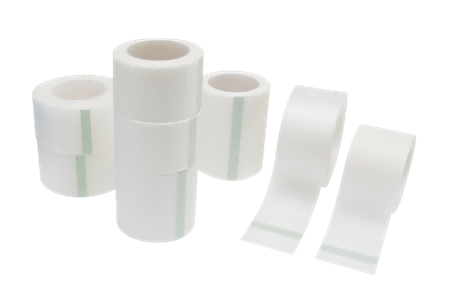
Beyond the Bandage: Demystifying Medical Tape vs. Surgical Tape in Modern Wound Care
In the intricate world of wound management and surgical procedures, seemingly simple products like adhesive tapes play a critical, often understated role. However, confusion persists between the terms "medical tape" and "surgical tape," leading to potential misuse and suboptimal patient outcomes. Industry experts emphasize that understanding this distinction is crucial for healthcare procurement, clinical practice, and patient safety.
Not All Tapes Are Created Equal: Defining the Scope
While often used interchangeably in casual conversation, medical tape and surgical tape represent distinct categories with specific purposes and regulatory requirements:
Medical Tape (General Purpose):
Purpose: Securing dressings, tubing (IVs, catheters), devices (sensors, electrodes), and light bandaging on intact or minimally compromised skin.
Materials: Often paper, plastic (polyethylene, polyurethane), cloth (woven/non-woven rayon, polyester), or gentle silicone. Adhesives are typically acrylic or rubber-based, designed for moderate hold and relatively easy removal.
Key Focus: Skin friendliness, breathability, comfort for extended wear, ease of application and removal without excessive trauma. Examples include Micropore™ (paper tape), Transpore™ (plastic tape), and cloth tapes like Medipore™.
Regulation: Generally falls under FDA Class I or II medical devices.
Surgical Tape (Sterile & Specific):
Purpose: Primarily used in sterile fields during and immediately after surgery. Key applications include closing incision edges (approximating skin), securing sterile surgical drapes, and holding specialized post-operative dressings in place over fresh wounds.
Materials: Often non-woven synthetic fabrics (like rayon/polyester blends) or specialized plastic films. Adhesives are designed for strong, reliable hold on potentially damp skin, yet must allow for precise application and controlled removal. Crucially, surgical tape is sterile.
Key Focus: Sterility assurance, strong adhesion in challenging environments (blood, bodily fluids), precision (often comes in specific widths/lengths), biocompatibility for direct contact with compromised tissue, and minimized risk of leaving residue. Examples include Steri-Strip™ (for wound closure), and sterile versions of cloth or plastic tapes for draping/dressings.
Regulation: Falls under stricter FDA Class II requirements, demanding validation of sterility and specific performance characteristics for surgical use.
Key Differences at a Glance:
| Feature | Medical Tape (General Purpose) | Surgical Tape |
|---|---|---|
| Primary Use | Securing dressings, tubing, devices | Incision closure, securing drapes/dressings in sterile field |
| Sterility | Not necessarily sterile | Must be sterile |
| Environment | Intact or minimally compromised skin | Sterile field, fresh surgical wounds, potential fluids |
| Adhesion | Moderate, skin-friendly | Strong, reliable (even on damp skin) |
| Key Focus | Comfort, breathability, easy removal | Sterility, precision, strong hold, biocompatibility |
| Regulatory | FDA Class I/II | FDA Class II (stricter requirements) |
| Example Uses | Holding gauze, IV line, ECG electrode | Closing a laparoscopic port site, securing a sterile drape edge, holding a post-op dressing over an incision |
Industry Trends Highlighting the Distinction:
Rise of Advanced Silicone Tapes: Both categories are seeing growth in gentle silicone adhesives, prized for minimal trauma on removal and suitability for fragile skin. However, sterile silicone surgical tapes command a premium for post-op care.
Infection Control Focus: The sterile nature of surgical tape is non-negotiable in the era of SSI (Surgical Site Infection) prevention. Procurement departments face increasing pressure to ensure the right sterile product is used in the OR.
Material Innovation: Development continues on tapes with inherent antimicrobial properties, enhanced breathability for moist wound environments, and even "smart" indicators, primarily impacting the higher-acuity surgical and complex wound care segments first.
Cost vs. Outcome: While general medical tapes are cost-effective for everyday use, using them inappropriately in surgical settings (e.g., non-sterile tape near an incision) poses infection risks that far outweigh any minor cost savings. Hospitals are investing in staff education to ensure correct product selection.
Expert Insight:
"Confusing a general medical tape with a sterile surgical tape is not just a matter of semantics; it's a potential patient safety issue," states Dr. Anya Sharma, a leading wound care specialist. "In the operating room and for immediate post-operative care, sterility is paramount. Surgical tapes are engineered and validated for that specific high-stakes environment – the adhesive, the backing, the packaging, everything is designed to minimize risk during a vulnerable time for the patient."
The Bottom Line for Healthcare:
Understanding the difference between medical tape and surgical tape is fundamental. Medical tape is the versatile workhorse for general securement on intact skin. Surgical tape is a specialized, sterile tool critical for infection prevention and optimal healing in surgical and immediate post-surgical wound management. As material science advances and healthcare focuses ever more sharply on outcomes and safety, selecting the right tape for the right job has never been more important. Procurement professionals, clinicians, and product developers must all speak the same precise language when it comes to these essential adhesive allies.
News Center
Industry News




 WhatsApp
Send us your message
You can send an email asking for the price and detailed information of this product. We will reply you as soon as we receive your email